We’ve all been there—halfway through a long shift, an event, or just a day of running errands, when your feet start screaming at you as they’ve just walked across hot coals. Standing all day isn’t just exhausting; it’s practically a sport, and if your feet aren’t prepared, they’ll make sure you know it.
Maybe it starts with a dull ache in your heels, a burning sensation in the arches, or that special kind of soreness that makes you reconsider every life decision that led to this moment. Whatever the case, foot pain is the uninvited guest that sticks around way too long. But here’s the good news—you don’t have to suffer through it.
With the right shoes, a few simple habits, and a little help from some foot-care pros (yes, we’re looking at you, Hurst Podiatry), you can stand tall and pain-free. Let’s break it down, step by step.
Why Standing All Day Affects Your Feet
Your feet are built to handle a lot—they carry you through long hours of work, errands, and questionable life choices (like wearing those too-tight shoes “just for today”). But force them to stay in one spot for prolonged periods, and they start protesting in ways you can’t ignore—aching feet, heel pain, and that deep, relentless soreness that makes sitting down feel like winning the lottery.
Here’s why: when you’re walking, your muscles, joints, and tendons get a break as your weight shifts from one foot to the other. But when you’re just standing? That pressure stays put, causing muscle tension, poor circulation, and strain on key structures like your heel bone, plantar fascia, and arches.
And let’s not forget about hard surfaces—standing on concrete all day isn’t just uncomfortable, it’s a one-way ticket to sore feet. Without good arch support and proper footwear, your feet absorb all that shock, which can lead to persistent pain, stabbing pain, and common foot conditions like plantar fasciitis, heel spurs, and fallen arches.
Over time, this stress doesn’t just affect your feet—it messes with your whole body. Your knees, hips, and lower back get thrown out of whack trying to compensate, making that experience pain spiral even worse. And if your foot pain persists, no amount of casually stretching under your desk is going to fix it.
So, what’s the game plan? First, your shoes matter more than you think (seriously, your feet will thank you). Next, a few simple habits—like stretching, moving more, and using home remedies—can do wonders. Let’s break it down, starting with what to wear to stop your aching feet from ruining your day.
Footwear Recommendations and Orthotic Support
Let’s be real—your foot pain from standing isn’t just about standing. It’s about what you’re standing in. Wearing the wrong shoes for long periods is like forcing your feet into a bad relationship—uncomfortable, unsupportive, and bound to end in regret (and heel pain). So, if you’re looking to relieve foot pain and keep your tired aching feet from staging a full-blown rebellion, it’s time to rethink your footwear recommendations.
What to Look for in the Best Shoes for Standing All Day
Your shoes should do more than just cover your feet—they should support them. Here’s what to prioritise when shopping for proper footwear:
Arch Support Matters – If you have flat feet or fallen arches, shoes with good arch support help distribute weight evenly and prevent strain on your plantar fascia. Without it, you’re begging for achy feet and potential foot conditions like plantar fasciitis and bone spurs.
A Wide Toe Box – Your toes need space to breathe! A wide toe box prevents crowding and reduces pressure on the front of your foot, making it a must for preventing sore feet.
Cushioning & Shock Absorption – If your feet hurt, check your shoe’s midsole. Some of the best shoes for standing all day (like the Ghost Max) have plush cushioning and forefoot stack heights designed to soften impact and soothe tired muscles.
Slip-Resistant Outsole – Whether you’re working in a fast-paced environment or just trying to survive a rainy day, a slip-resistant outsole keeps you from slipping and making your foot pain worse.
Leather Uppers & Breathability – If you wear shoes for long hours, breathable materials (like leather uppers) help prevent sweaty discomfort. Trust us, your feet will thank you.
Orthotic Support: Do You Need Additional Help?
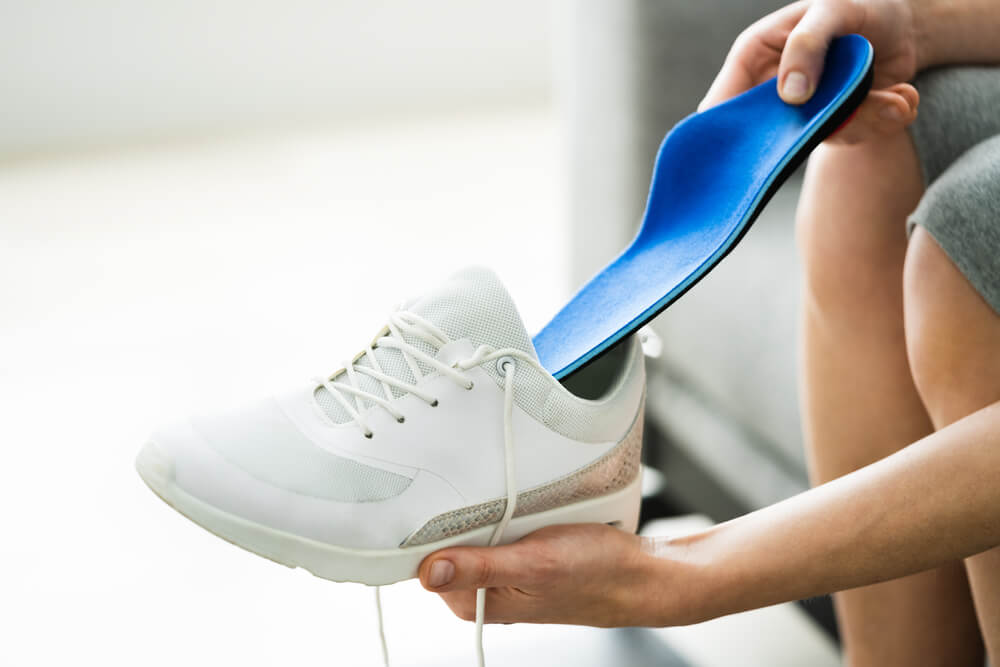
If your foot pain persists, custom orthotics can be a game-changer. They provide extra support, help reduce inflammation, and improve blood flow—especially if you’re dealing with chronic heel pain, plantar fasciitis, or a medical condition like diabetes. A healthcare provider or podiatrist can assess your affected area and recommend a treatment plan that works.
But before you run out and buy new running shoes, let’s talk about easy home remedies that can help alleviate pain when your feet hurt. Sometimes, a simple foot soak in warm water (or rolling a frozen water bottle under your arches) is exactly what your aching feet need.
Simple Stretches and Exercises to Relieve Foot Pain
When your feet hurt after standing all day, the last thing you probably want to do is move them more. But trust us, a few simple stretches and exercises can do wonders to relieve foot pain, improve blood flow, and keep those sore feet from turning into a long-term problem. Think of it as a way to hit the reset button on your aching feet before they decide to quit on you altogether.
Stretch It Out: Loosen Up Those Tired Feet
Tennis Ball Massage – Grab a tennis ball (or a frozen water bottle if you need extra relief) and roll it under your arch for 1-2 minutes. This helps stretch the plantar fascia, improve circulation, and ease foot pain—especially if you’re dealing with plantar fasciitis.
Toe Stretch & Spread – Take a seat, extend your leg, and gently pull your toes back toward you. This stretch keeps your feet flexible and prevents stiffness in the affected area. Bonus points if you wiggle your toes afterward like they’re waving at you in gratitude.
Calf Stretch Against the Wall – Your calf muscles are directly connected to your feet, so if they’re tight, your foot pain can get worse. Place your hands on a wall, step one foot back, and push your heel into the ground. Hold for 20 seconds per side.
Strengthen to Support: Keep Foot Pain from Coming Back
Toe Towel Scrunches – Lay a small towel on the floor and use only your toes to scrunch it up. This strengthens the muscles in your feet, helping with flat feet, heel pain, and overall foot stability.
Heel Raises – Stand up, lift your heels, and balance on your toes for a few seconds before lowering down. This simple move strengthens your arches and helps prevent foot conditions like plantar fasciitis.
Ankle Circles – If your feet hurt after walking or standing for long periods, ankle circles can help improve circulation and reduce tension. Just rotate each ankle in slow, controlled circles to keep everything moving smoothly.
Soak, Soothe, and Recover
After stretching, your feet deserve some pampering. A foot soak in warm water with Epsom salt can help reduce swelling, soothe tired muscles, and promote relaxation. Add a few drops of essential oils for extra relief. If inflammation is the issue, try cold water therapy instead to reduce inflammation. If your foot pain persists, it might be time to check in with a healthcare provider for a proper diagnosis and additional support.
When to Seek Professional Help for Foot Pain
There’s a difference between occasional foot pain after a long day and discomfort that refuses to go away no matter what you do. If you’ve stretched, massaged, switched to supportive walking shoes, and even tried a foot soak with Epsom salt, but your sore feet still ache with every step, it might be time to take things more seriously. When foot pain lingers, worsens, or starts interfering with daily activities, seeing a healthcare provider is the next step. Ignoring persistent discomfort can lead to more serious foot conditions, making even simple movements unbearable.
Pain that intensifies when you wear shoes, swelling that won’t subside even with elevation or ice, or a sharp, stabbing sensation in an affected area are all signs that something deeper is going on. If discomfort disrupts your everyday wear, limits mobility, or causes numbness, waiting it out is no longer an option. What might start as minor irritation could stem from an underlying issue like fallen arches, inflammation, or nerve compression—problems that won’t resolve without a proper treatment plan.
How Hurst Podiatry Can Help
At Hurst Podiatry, understanding and addressing foot pain isn’t just about temporary relief—it’s about long-term solutions. Whether the pain is caused by standing for extended hours, playing sports, or an undiagnosed medical condition, proper care can make all the difference. Treatments may involve heat therapy to loosen tight muscles, custom orthotics for additional support, or recommendations for proper footwear designed to fit properly and improve stability. If home remedies like a tennis ball massage, soaking your feet in hot water, or using essential oils haven’t provided relief, seeking professional guidance ensures you’re not just masking symptoms but addressing the root cause.Your feet work hard every day, carrying you through work, errands, and life’s constant movement. If foot pain has become more than just a passing annoyance, don’t ignore what your body is trying to tell you. The right diagnosis and expert care can help you regain comfort and confidence with every step. Schedule an appointment with Hurst Podiatry today—your feet will thank you.