Foot Health FAQ: How to Make Your Shoes More Comfortable
In this edition of our Foot Health FAQ series, we’re tackling a common issue many people face: uncomfortable shoes.
Whether it’s due to new shoes, tight shoes, or just shoes that weren’t designed with comfort in mind, foot discomfort can lead to foot pain, blisters, and other foot problems.
Luckily, there are a few simple hacks to make your shoes more comfortable and protect your feet.
Hack 1: Use Orthotics or Insoles
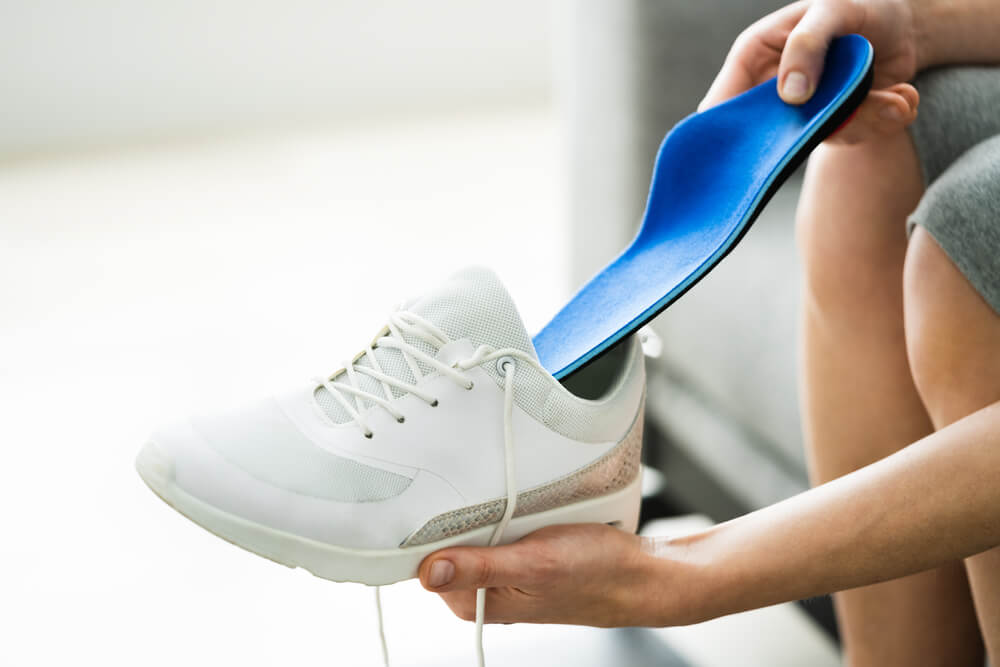
One of the best ways to make shoes more comfortable is by adding shoe insoles or custom orthotics. These can provide extra arch support and cushion for people with conditions like flat feet or plantar fasciitis.
Gel inserts or memory foam insoles can make a big difference in reducing pressure on the heel and balls of your feet, offering relief from discomfort.
Not sure where to start? Why not book in with us so we can steer you in the right direction?
Hack 2: Break in Your New Shoes
Wearing new shoes can cause foot discomfort but breaking them in gradually can help.
Wear thick socks around the house to loosen them up and prevent blisters.
If the shoes are too tight, try using a shoe stretcher or applying stretching spray to improve the fit.
Some shoes take time to break in and feel more comfortable due to their materials, so be patient.
Hack 3: Add Extra Cushioning
For shoes like high heels or flats that lack padding, adding products like gel inserts, foot pads, or foot petals can provide an extra layer of comfort.
These inserts reduce pressure points, especially in the heel or ball of the foot, making your shoes more wearable for long periods.
Hack 4: Adjust Laces or Straps
Sometimes, a simple adjustment can make tight shoes more comfortable. Make sure the laces on your running shoes or boots aren’t too tight, which can restrict circulation to your toes. For sandals or shoes with straps, ensure the fit is even across the foot to avoid pressure on the big toe or heel.
Remember, not all shoes are created equal and that includes their sizing, so where possible try your shoes on before purchasing.
Hack 5: Try Using Blister Pads
Prevent blisters and rubbing by applying blister pads in areas where your shoes cause friction. These pads protect the skin and reduce irritation, especially in new shoes or ill-fitting shoes.
Hack 6: Wear Comfortable Socks
The type of socks you wear can make a big difference in how your feet feel throughout the day. Thick socks or those designed for extra comfort can help cushion your feet and protect them from blisters, especially when paired with flat shoes or high heels.
How Hurst Podiatry Can Help
If your shoes are causing ongoing foot pain or discomfort, Hurst Podiatry can provide expert advice and custom orthotics to improve your foot health. We can also check to make sure that you’re not dealing with any foot conditions that may be making your shoes even more uncomfortable.