A Closer Look at Knock Knees and Bowlegs in Children and Adults
Have you ever wondered why some children and adults stand or walk with knees that either touch or bow out? This isn’t just a quirky trait; it’s about knock knees (genu valgum) and bowlegs (genu varum), two orthopaedic puzzles where the legs and knees line up in their own unique way.
While it’s a common sight in playgrounds, these conditions don’t just fade away with childhood – adults can experience them too.
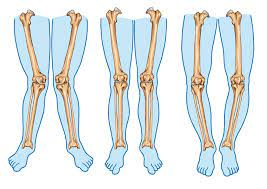
Knock knees have the knees cozying up together when standing, and bowlegs? They’re like the letter ‘O,’ creating a space between the knees, ankles joined in solidarity. But it’s more than just appearances.
These conditions can influence how we walk, our comfort, and sometimes even our joint health.
So, let’s embark on a journey to not just understand but also to learn how to keep an eye on and manage these conditions, ensuring a life that’s active and pain-free. Dive into this article where we unravel these mysteries together.
What are knock knees and bowlegs and how do they differ from each other?
You might be wondering, “What are knock knees and bowlegs, and how do they differ?” Let’s delve into this.
Both conditions prominently affect leg alignment, yet in distinct ways.
Knock knees, known medically as genu valgum, is when the knees angle inward, creating a close encounter at the top while the feet stay apart. It’s like the knees are drawn together by an invisible force.
On the flip side, bowlegs, or genu varum, take the opposite route. Here, the legs arch outward, forming a noticeable gap between the knees, with the ankles remaining close.
Although they share similarities in being leg alignment conditions, their characteristics and the approaches to their treatment are quite different.
What causes knock knees and bowlegs in children?
Understanding what leads to knock knees and bowlegs in children involves looking at their natural growth stages.
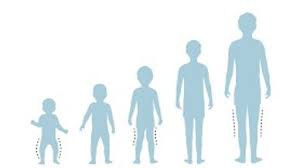
Knock knees often appear as a standard part of development, typically between the ages of 2 and 4. This condition stems from the regular growth patterns of bones and muscles during these formative years.
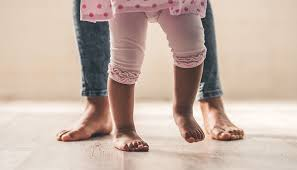
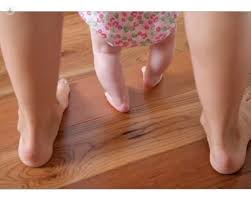
Bowlegs, conversely, are commonly observed in infants and toddlers. This condition is a remnant of the foetal position maintained in the womb, but it usually corrects itself as the child grows, especially when they begin walking and engaging in weight-bearing activities.
However, it’s important to note that sometimes, knock knees or bowlegs can be indicators of underlying medical issues, such as vitamin deficiencies or skeletal abnormalities.”
When should I be concerned about knock knees and bowlegs in my child?
It’s common for parents to notice knock knees and bowlegs in their child during the early developmental years.
Generally, these conditions are part of normal growth and gradually improve as the child ages. Yet, there are instances where extra attention might be needed.
If knock knees or bowlegs are notably pronounced, continue well past the age of 7, or if they bring discomfort, instability, or other worrying signs, it’s a prudent step for parents to seek advice from a healthcare professional or a podiatrist. They can provide a thorough evaluation and offer the necessary guidance on the best course of action.
Can knock knees and bowlegs cause any long-term effects?
For most kids, knock knees and bowlegs are just brief chapters in their growth story, typically not leading to any lasting effects on their leg and foot development. As children grow taller and stronger, these conditions often correct themselves naturally, aligning their legs more typically over time.
However, in the uncommon cases where knock knees or bowlegs are more pronounced and stick around, they might influence how a child walks, their balance, or the stability of their joints.
This is why keeping an eye on these conditions with the help of a healthcare professional, like a podiatrist, is important. They can track the child’s development closely and intervene if necessary, ensuring everything is on track for healthy growth.
How common are knock knees and bowlegs?
Knock knees and bowlegs are frequent sights in the journey of a child’s growth, appearing prominently during certain developmental phases. These conditions are usually seen as normal variations in how children grow and are often self-correcting without the need for medical intervention.
You’ll typically spot knock knees in kids between 2 and 4 years old, while bowlegs are more observable in younger children, especially infants and toddlers. As kids get taller and their bodies continue to develop, their bones naturally align, leading to straighter legs.
It’s important for parents to recognise that these conditions are generally part of normal development. However, if knock knees or bowlegs persist or seem unusually severe, it’s wise to consult a healthcare professional for a thorough assessment.”
What are treatment options for knock knees and bowlegs in children?
When it comes to treating knock knees and bowlegs in children, the approach largely depends on how severe the condition is and its root cause. In the majority of cases, nature takes its course, and the legs straighten out as the child grows, eliminating the need for treatment. However, if these conditions linger beyond the usual age for correction, or if they lead to discomfort or hinder movement, then it’s time to consider intervention. The range of treatments varies, including:
- Targeted exercises to enhance muscle balance and flexibility,
- Orthotic devices or special shoe inserts to support and correct leg positioning,
- And, though it’s quite rare, surgical procedures for more significant cases.
A healthcare professional, like a podiatrist or an orthopaedic specialist, is well-equipped to evaluate each unique case and advise the most suitable treatment plan.”
Activities and Exercise for knock knees and bowlegs
For kids with knock knees or bowlegs, certain activities and exercises can be beneficial in enhancing leg alignment and overall development.
While it’s crucial to get specific exercise recommendations from a healthcare professional, there are general physical activities that can make a positive impact.
Engaging in regular exercises like walking, running, or cycling can significantly strengthen the leg muscles and support better alignment. Stretching exercises, particularly those focusing on the hips, thighs, and calves, are also valuable for improving flexibility and balance.
Nonetheless, it’s essential to check with a healthcare professional first. They can confirm that the chosen exercises are suitable and ensure they’re done correctly, reducing the risk of any potential injury, or exacerbating the condition.
Orthotic device or braces: are they effective in the treatment of these conditions?
In certain situations, orthotic devices or braces come into play as potential solutions for children with knock knees or bowlegs.
These specially designed aids are all about lending support and guiding the legs towards proper alignment, particularly during activities that put weight on the legs, like walking.
Orthotics show their true value especially when there are structural irregularities or imbalances at the root of the condition.
However, it’s not a one-size-fits-all solution. The decision to use orthotics should be made by a healthcare professional, who will conduct a thorough assessment of the child’s specific situation and needs to determine if this approach is suitable.”
What can a podiatrist do to knock knees and bowlegs?
When it comes to addressing knock knees and bowlegs in children, podiatrists are invaluable. They bring a specialised focus on the feet and lower limbs, crucial in both diagnosing and managing these conditions.
With their deep understanding of foot and leg alignment, podiatrists are adept at pinpointing any factors that may be contributing to the issue. Their expertise extends to mapping out the most effective treatment options. Working hand-in-hand with other healthcare experts like orthopaedic specialists or physical therapists, podiatrists ensure a well-rounded approach to care. For parents seeking guidance, a consultation with a podiatrist can offer a precise diagnosis, tailored treatment plans, and consistent follow-ups. This comprehensive care is key to fostering healthy development and overall well-being in their child’s legs and feet.
Who can help with my child’s knock knees or bowlegs in Melbourne?
If you have concerns about your child’s knock knees or bowlegs, Hurst Podiatry is here to help. Our experienced team of podiatrists specialises in paediatric foot conditions and can provide expert evaluation and personalised treatment options.
At Hurst Podiatry, we understand the unique challenges that knock knees and bowlegs can present in a child’s development. And we will assess the severity of the condition, identify any underlying causes, and recommend the most appropriate course of action.
Whether it’s monitoring the condition as part of normal development, implementing exercises to improve muscle balance and alignment, or considering the use of orthotic devices or braces, we offer comprehensive care tailored to your child’s needs.
Don’t let knock knees or bowlegs hinder your child’s mobility or cause unnecessary worries. Contact Hurst Podiatry today to schedule a consultation and ensure your child receives the specialised care they deserve for their leg alignment concerns. Call us on 03 8799 4426 (Kilsyth) or 03 5901 2216 (Healesville) or book online here.