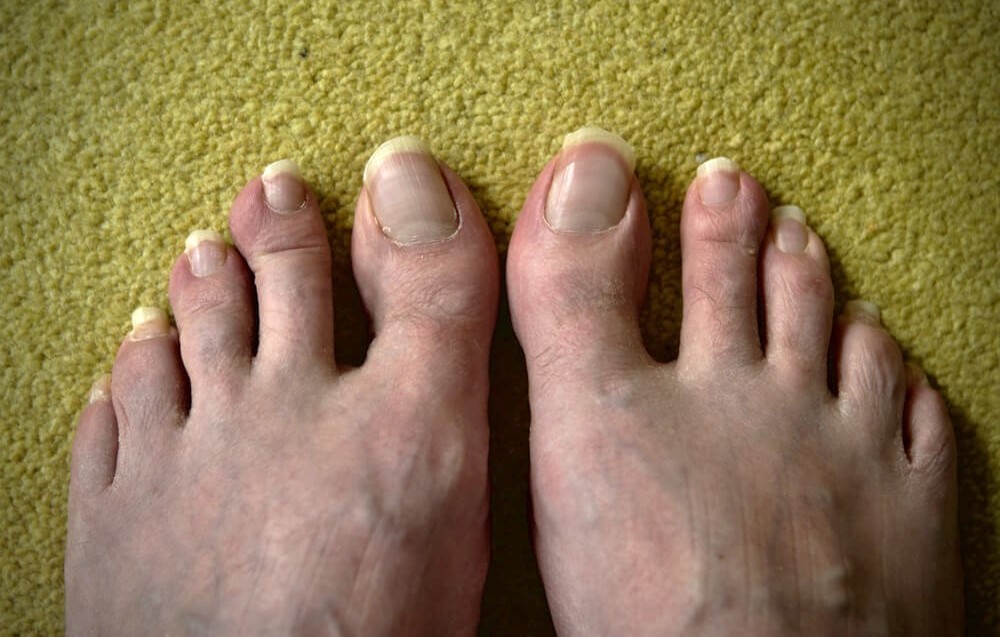
Foot Health FAQs: Why Do My Toenails Hurt When They Are Long?
Welcome to another edition of our “Foot Health FAQs” series at Hurst Podiatry, where we address common foot concerns and provide expert guidance to keep your feet in top shape.
In this instalment, we’re exploring a question that many people have asked: Why do my toenails hurt when they are long? Understanding the reasons behind this discomfort and knowing how to manage long toenails are crucial steps in maintaining overall foot health and avoiding complications like ingrown toenails, fungal infections, and toenail trauma.
Why Do Long Toenails Hurt?
Long toenails can lead to a number of issues. For example, when toenails grow too long, they can press against the inside of your shoes, causing pressure on the nail bed. This pressure often leads to soreness and pain, especially when wearing tight or ill-fitting footwear.
Long toenails are more likely to become ingrown, where the edges of the nail grow into the surrounding skin. This can cause significant pain, redness, and even infection if not addressed promptly. An ingrown toenail can be particularly problematic if you have thickened nails or if your toenails have a natural curve.
Longer toenails are also prone to hitting the inside of your shoes as you walk or run, leading to trauma. This trauma can cause bruising, nail discolouration, and pain in the toenail and surrounding area, increasing the risk of complications like infections or nail damage.
Common Problems Associated with Long Toenails
Some of the most common problems we see at our foot clinics include:
Infections: Long toenails create a perfect environment for fungal infections and bacterial growth, particularly under the nail. This can lead to issues like athlete’s foot or fungal toenail infections, which may require professional treatment to fully resolve.
Difficulty Walking: When toenails are too long, they can make walking uncomfortable or awkward, potentially affecting your gait and leading to additional foot or lower limb problems. This is especially true if you have conditions like flat feet or poor circulation, which can exacerbate the discomfort caused by long toenails.
Increased Risk of Nail Damage: Long toenails are more susceptible to breaking, splitting, or even thickening, which can be painful and may take a long time to heal. This can also lead to the development of corns or calluses on your toes due to the altered pressure distribution.
Tips for Managing Long Toenails
Keeping your toenails trimmed to a manageable length is the best way to avoid issues like ingrown toenails, infections, and toenail trauma that may be caused when your toe nails are too long. Aim to trim your toenails straight across and avoid cutting them too short, which can help prevent problems with thickened nails or cracked skin.
It’s also important to try to wear shoes with a spacious toe box as this can help prevent the pressure and trauma associated with long toenails. Ensure your shoes fit well and allow room for your toes to move comfortably, reducing the risk of developing corns, calluses, or other foot complications.
Moisturising your toenails and the surrounding skin helps to prevent dryness and cracking, which can make nails more prone to breaking. Regular moisturising can also help in managing conditions like fungal infections and keeping your feet in optimal condition.
How Hurst Podiatry Can Help
Managing toenail length is essential for preventing discomfort and avoiding more serious foot health issues like ingrown toenails, fungal infections, or nail damage. If you’re experiencing pain due to long toenails or have trouble maintaining them, Hurst Podiatry can help. Our expert team offers professional advice and treatment options tailored to your specific needs, ensuring your feet stay healthy and pain-free.
Contact Hurst Podiatry today to schedule an appointment and take the first step towards better foot health. Call us on 03 8799 4426 for our Kilsyth clinic or 03 5901 2216 for our Healesville clinics or book online here.